
A VoIP phone system uses the internet and cloud connectivity to make and receive calls. That single sentence answers the basic question, but it leaves out the part most business owners actually care about: what changes at your desk, what you need to buy, and why the phone on your reception counter may soon plug into a network jack instead of a phone line.
VoIP stands for Voice over Internet Protocol. The technology converts your voice into a digital signal that travels over the internet. If you are calling a regular phone number, the signal is converted along the way so the person on the other end can pick up on an ordinary phone. Everything else, from call quality to the features your team can use, flows from that core idea.
How VoIP Turns Talking Into Data
The mechanics are easier to follow than the acronym suggests. Three steps explain almost everything about how a modern business phone call travels.
Your voice becomes a digital signal
VoIP converts your voice from an analog acoustic signal into a compressed digital signal. In older phone setups, sound traveled as a continuous electrical wave down a dedicated line. With VoIP, the sound is sampled, compressed, and prepared for transport across a data network. The compression is what keeps a conversation from consuming more bandwidth than it needs.
The call is broken into small units
Once your voice is digital, the system disassembles that data into small, manageable units and sends them across the network. Those units travel the same way email and web traffic do, over an IP network such as the internet. The receiving end reassembles them so the audio plays back in the right order.
Calls to regular phone numbers still connect
This is the question small business owners ask most often. VoIP services convert your voice into a digital signal that travels over the internet, and if you are calling a regular phone number, the signal is converted to work with that network. Your customers do not need special equipment. They dial a normal number and their phone rings.
What Counts as a VoIP Phone
A VoIP phone is a type of telephone that uses Voice over IP technology to send and receive calls over an internet connection instead of traditional phone lines. That definition covers more hardware than most people expect. A VoIP phone or IP phone uses voice over IP technologies for placing and transmitting telephone calls over an IP network such as the internet, and the same underlying technology runs on several kinds of devices.
| Device type | What it means in practice |
|---|---|
| Desk phone (IP phone) | A physical handset built to place and transmit calls over an IP network. It connects to your data network rather than a traditional phone line. |
| Computer or softphone | VoIP lets you make a call directly from a computer, so a laptop can serve as a phone when someone is traveling or working remotely. |
| Other data-driven devices | The technology is not limited to handsets and computers. Any device capable of carrying the call data can act as an endpoint. |
The practical takeaway: a VoIP phone system is less about a specific plastic handset and more about where the call travels. If the voice data moves over your internet connection, you are using VoIP.

What VoIP Phone Systems Do Beyond Voice Calls
Calling is the foundation, but it is rarely the reason a business switches. Many VoIP systems have file-sharing, one-to-one and group messaging, and other real-time collaboration features built into the same platform your team uses for calls. Improved online collaboration is one of the commonly cited benefits of these systems.
For a small team, that can mean fewer separate tools to pay for and manage. A staff member can message a coworker a document, then jump on a call about it without leaving the same application. For a business with a front desk and a back office, it can mean the person answering the phone has context before the call even connects.
Feature sets vary widely between providers. Ask for a written list of what is included in the plan you are considering, and confirm any pricing details directly with the provider rather than relying on a general overview like this one.
Why Small Businesses Ask About VoIP
Most owners who start researching VoIP are not chasing technology for its own sake. They are reacting to something concrete: an aging PBX in a closet, a phone bill that keeps climbing, a second location that needs to share extensions, or a team member who works from home two days a week.
A VoIP phone system addresses those situations because the call no longer depends on a physical line running to one specific desk. The system uses the internet and cloud connectivity to make and receive calls, which is why a device in one building and a laptop in another can sit on the same phone system.
Businesses in Marquette and across the Upper Peninsula tend to evaluate these systems against a few practical measures. Does the office internet connection handle the load? Can staff learn the interface without weeks of training? Is there someone local to call when a configuration change is needed? Those questions matter more than a long feature list.
What to Check Before You Switch
Moving from traditional phone lines to VoIP is manageable, but it rewards a little preparation. Work through these items before you sign anything.
- Your internet connection. Every call rides on it. Confirm the connection at each location is stable enough to carry voice traffic alongside everything else your team does.
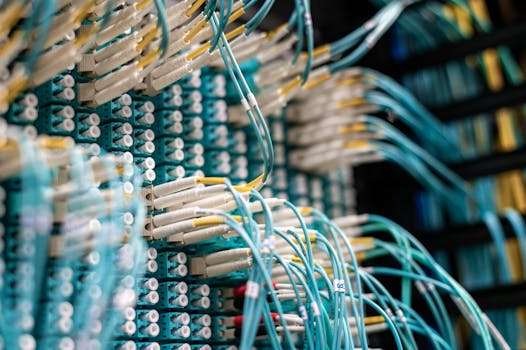
- Your network wiring. Desk phones need a network connection. Older buildings sometimes need cabling work before the phones go in.
- Device count. Decide who gets a desk phone, who uses a computer-based softphone, and who needs both.
- Feature expectations. Ask specifically about messaging, file sharing, and collaboration tools, since these are some of the most commonly highlighted benefits and they are not identical across providers.
- Support arrangements. Ask who handles setup, changes, and troubleshooting, and how quickly they respond.
- Contract and pricing terms. Verify all costs, terms, and cancellation details in writing with the provider you are evaluating.

Where Local Support Fits In
A VoIP phone system is a network service, which means the quality of the installation and the responsiveness of the support behind it shape the experience as much as the software does. A business that runs on phone calls cannot afford to wait days for a callback because an extension stopped ringing.
That is the reasoning behind working with a local provider. Superior Eagle Inc. is based in Marquette, Michigan, and provides business phone systems alongside managed IT services, security cameras, and structured wiring for small businesses across the Upper Peninsula. The advantage is straightforward: the same people who understand your network can plan the phone installation, handle the cabling, and answer the phone when something needs adjusting.
If you are still in the early research stage, start with the definition. A VoIP phone system uses internet and cloud connectivity to make and receive calls. From there, the right questions are about your building, your team, and the support you want when the phone rings at 8 a.m. on a Monday.
Frequently Asked Questions
Do I need a traditional phone line for VoIP?
No. A VoIP phone sends and receives calls over an internet connection instead of traditional phone lines. What you need is a working data network at the location where the phone sits. That is why connection quality and network setup matter so much during planning, and why a site check is worth doing before installation day.
Can a VoIP system call regular phone numbers?
Yes. VoIP services convert your voice into a digital signal that travels over the internet, and when you call a regular phone number, the signal is converted so it can reach that network. The person you are calling does not need VoIP equipment, special software, or any change on their end to receive your call.
What equipment do I need for a VoIP phone system?
It depends on how your team works. A physical IP phone connects to your data network. Staff who travel or work remotely can make calls directly from a computer or another data-driven device. Most small businesses use a mix of both, plus the network cabling and connectivity that carries the call traffic.
Why would a small business choose VoIP over older phone service?
The reasons usually come down to flexibility and features. Many VoIP systems include file-sharing, one-to-one and group messaging, and other real-time collaboration tools, and calls are not tied to a single physical line at a single desk. For a growing team or a business with more than one location, that flexibility tends to be the deciding factor.
How should I compare VoIP providers?
Ask each provider the same questions: what features are included, what the full cost and contract terms are, what network requirements apply, and how support works after installation. Get the answers in writing and confirm pricing directly, since plan details vary and general overviews cannot substitute for a current quote from the provider you are considering.