
A single fake invoice, a reused password, or a missing software update can stop a small office faster than most owners expect. Orders get delayed, customer information can be exposed, and employees lose access to the systems they need to do their jobs. None of that requires a sophisticated attacker. It usually just requires a gap nobody noticed.
A cybersecurity assessment for small business exists to find those gaps before someone else does. The work is less mysterious than the name suggests. It is a practical review of the technology you already own, how your employees use it every day, and where security controls may be missing.
For owners in Marquette and across the Upper Peninsula, the real question is not whether an assessment is technically impressive. It is whether it gives you a clear, prioritized picture of what to fix first, what can wait, and what your business actually needs at its current size.
What a Cybersecurity Assessment Actually Is
A cybersecurity assessment is a practical review of your business technology, how employees use it, and where security controls may be missing. A cyber risk assessment, which is often the same engagement under a different name, is a strategic, business-aligned process designed to uncover vulnerabilities and strengthen your security posture.
Both descriptions point to the same idea. The assessment is structured, not random. It is used to identify, evaluate, and prioritize the risks to your organization’s digital assets. That word “prioritize” matters more than most owners realize. A small business rarely has the budget to fix everything at once, so a useful assessment separates the problems that could take you offline from the ones that are simply untidy.
It is also not a one-time event. Regular risk assessments help you identify threats and vulnerabilities specific to your business as your systems, staff, and vendors change. A review done two years ago tells you very little about the network you are running today.
Where Most Small Businesses Start
The starting line looks different for every owner. What we see most often is that most small businesses fall into one of three categories when it comes to cybersecurity. In one of those categories, the business has never completed a formal assessment at all. They have antivirus software, a firewall, and a general sense that things are probably fine, but nobody has ever written down what is actually protected and what is not.
Wherever you start, the first conversation is usually the same. What do you have, who can reach it, and what would happen if it stopped working tomorrow morning? Once those questions have answers, the rest of the assessment has something to build on.

What Gets Reviewed During an Assessment
A thorough review looks at more than servers. It covers the tools your team touches every day, the rules that govern them, and the outside companies that connect to your systems. The table below outlines the areas most assessments touch.
| Area reviewed | What the reviewer examines |
|---|---|
| Network and systems | How devices, servers, and connections are configured, and whether updates and protections are in place. |
| Employee behavior and access | How staff use technology day to day, who can reach which files, and how accounts and passwords are handled. |
| Policies and procedures | Whether written rules exist for incidents, devices, access, and vendor relationships. |
| Third-party vendors | A third-party security assessment evaluates the security controls and compliance of outside partners to identify gaps. |
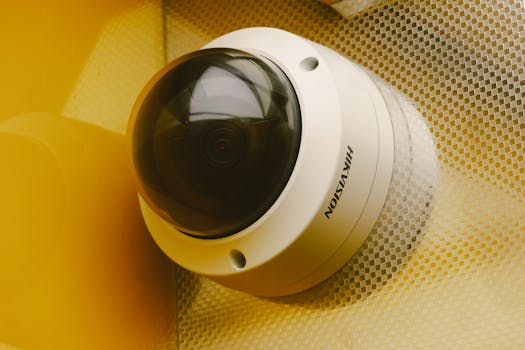
| Communications and physical systems | Business phone systems, cameras, and low-voltage wiring, which often sit alongside the network and deserve the same scrutiny. |
Not every business needs every item examined in equal depth. A four-person real estate office and a twenty-station restaurant have different exposure. A good assessor adjusts the scope instead of running the same checklist for everyone.
How an Assessment Typically Unfolds
The sequence is usually similar from one provider to the next, even when the reports look different. Here is the general shape of the process.
- Scoping conversation. The assessor learns how your business operates, what systems matter most, and what a bad day would actually cost you. This is the step that makes the review business-aligned rather than generic.
- Discovery and inventory. Devices, accounts, software, and connections get documented. You cannot protect what nobody has counted.
- Controls review. The assessor checks where protections are missing, misconfigured, or out of date across the systems and policies in scope.
- People and process review. Interviews and observation show how employees actually use the technology, which often differs from how leadership assumes it is used.
- Risk identification and ranking. Findings get evaluated and prioritized so the serious items do not get buried under a long list of minor ones.
- Reporting and roadmap. You receive the findings along with a plan for strengthening your security posture in a sequence that fits your budget and operations.
Expect questions during the process. A provider who never asks how your staff work, or which systems you could not operate without, is running a template rather than an assessment.
Common Findings That Stall a Small Office
The headlines tend to focus on elaborate attacks, but the day-to-day problems are more ordinary. A single fake invoice, a reused password, or a missing software update can stop a small office faster than most owners expect. These are the findings that show up again and again because they are easy to overlook and cheap to fix once someone points them out.
That is good news in a way. The most common weaknesses are also the most affordable to correct. An assessment that surfaces five practical fixes is worth more than a hundred-page report that ends with a recommendation to hire a full-time security team.

Questions to Ask Before You Hire an Assessor
Not all assessments are built the same way, and the person doing the work matters as much as the report. Before you sign anything, ask a few direct questions.
- Who performs the review, and what credentials do they hold? Some providers use senior security staff holding the CISSP credential, a standard trusted by large enterprises, hospitals, and federal agencies.
- What is in scope? Network, systems, and policies should all be named explicitly so nothing important is quietly excluded.
- Will the findings be prioritized? You want a ranked list, not a raw dump of every observation.
- What happens after delivery? Ask whether remediation support, monitoring, or a follow-up review is included or separate.
- Is the assessment tied to how we actually run the business? A review that ignores your workflow produces recommendations nobody will follow.
After the Report: Turning Findings Into Fixes
An assessment produces information, not security. The value shows up in what you do in the weeks that follow. Most owners work through findings in order of risk, fixing anything that could expose customer information or halt operations first, then moving to the slower structural improvements.
It also helps to decide what your team will start doing, stop doing, and keep doing. That framing turns a list of technical issues into changes people can actually adopt, whether that means retiring a shared login, adding a step to how invoices are verified, or scheduling updates instead of hoping someone remembers.
Once the first round of fixes is done, regular reviews keep the picture current. Threats and vulnerabilities shift as your business adds staff, devices, and vendors, so an annual check-in with periodic spot checks in between is a reasonable rhythm for most small operations.
Local Support in Marquette and the Upper Peninsula
Small businesses in the Upper Peninsula have a practical advantage that national providers struggle to match: local responsiveness. When an assessment recommends changes to your network, phones, cameras, or wiring, having one nearby team handle the work removes a lot of coordination headaches.
A local provider can walk your building, meet your staff, and understand how a seasonal rush or a shift change affects the way technology gets used. That context produces recommendations that fit, rather than a plan built for a company three time zones away. The result is a security posture you can maintain, not a document that sits in a drawer.
Frequently Asked Questions
How much does a cybersecurity assessment cost?
Pricing varies by provider, the size of your network, and how deep the review goes. Some providers offer a free initial assessment, while more detailed engagements are quoted based on scope. Because pricing is not standardized across the industry, ask exactly what is included, what is excluded, and whether remediation work is billed separately before you commit.
Do small businesses really need an assessment?
Yes, and often more than large ones. Smaller companies tend to have fewer safeguards and less ability to absorb a shutdown. A single fake invoice or missing update can interrupt orders and expose customer information. An assessment finds those gaps while they are still inexpensive to close, rather than after a bad week forces the issue.
How long does an assessment take?
Timelines depend on your size, the number of devices and systems involved, and how much documentation already exists. Instead of accepting a vague estimate, ask the provider to outline phases and milestones in writing, including when discovery ends, when findings are delivered, and when the prioritized plan is presented to you.
What should I do with the results?
Work through the findings in priority order, starting with anything that could expose customer data or stop operations. Then decide what your team should start, stop, and keep doing. Schedule a follow-up review so the picture stays current as your staff, systems, and vendors change over the following year.